The Soldier Who Never Left
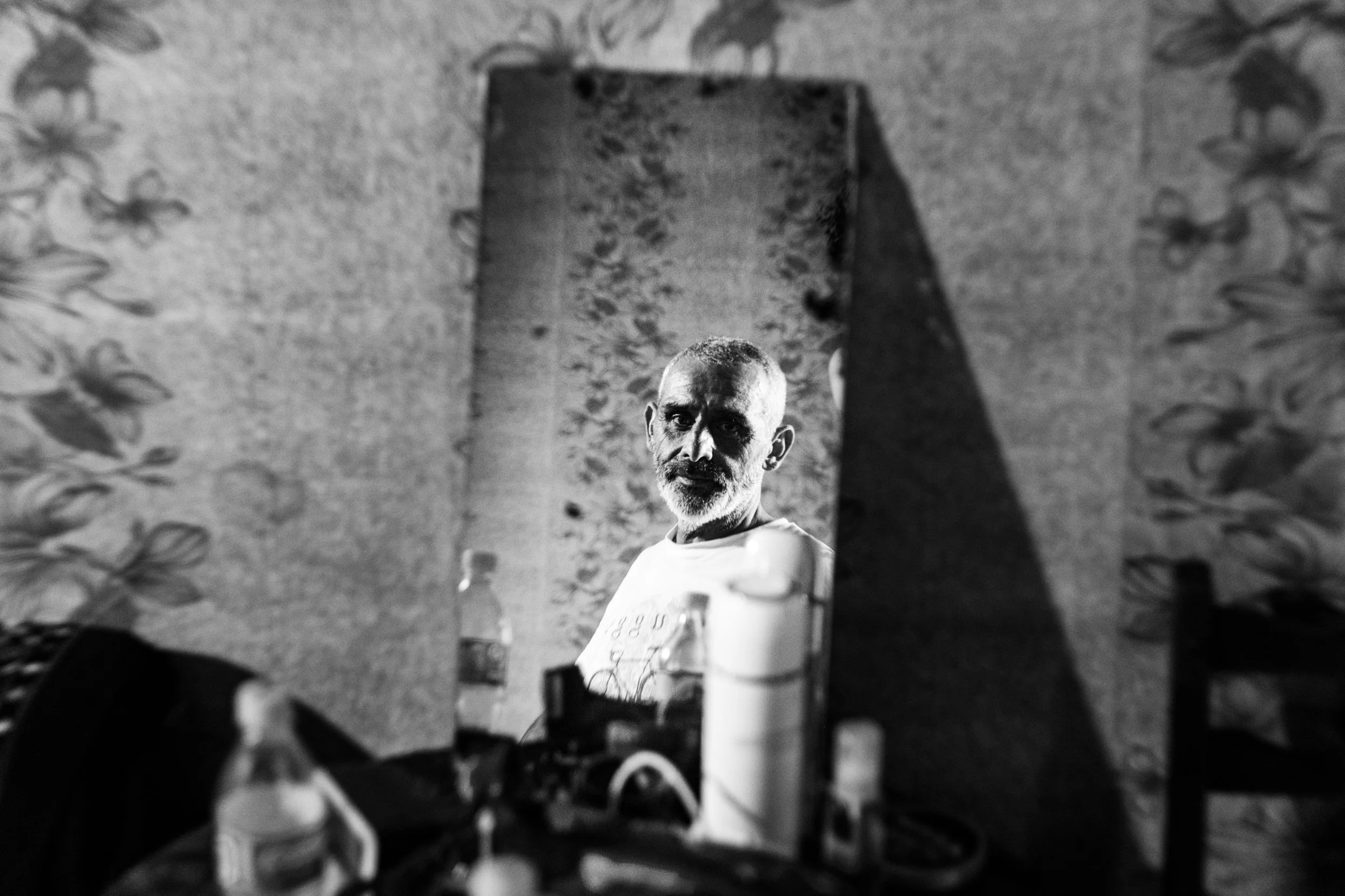
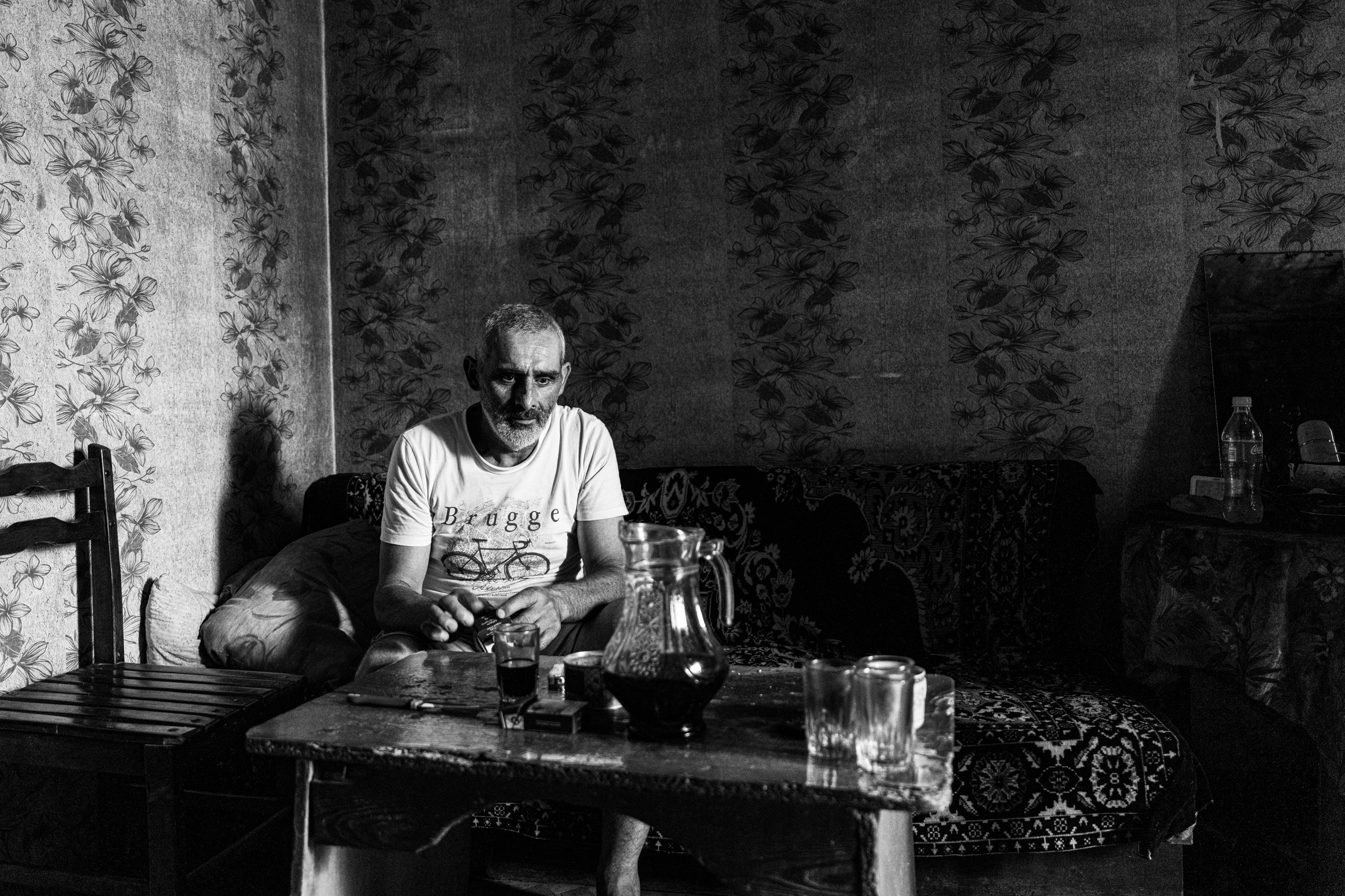
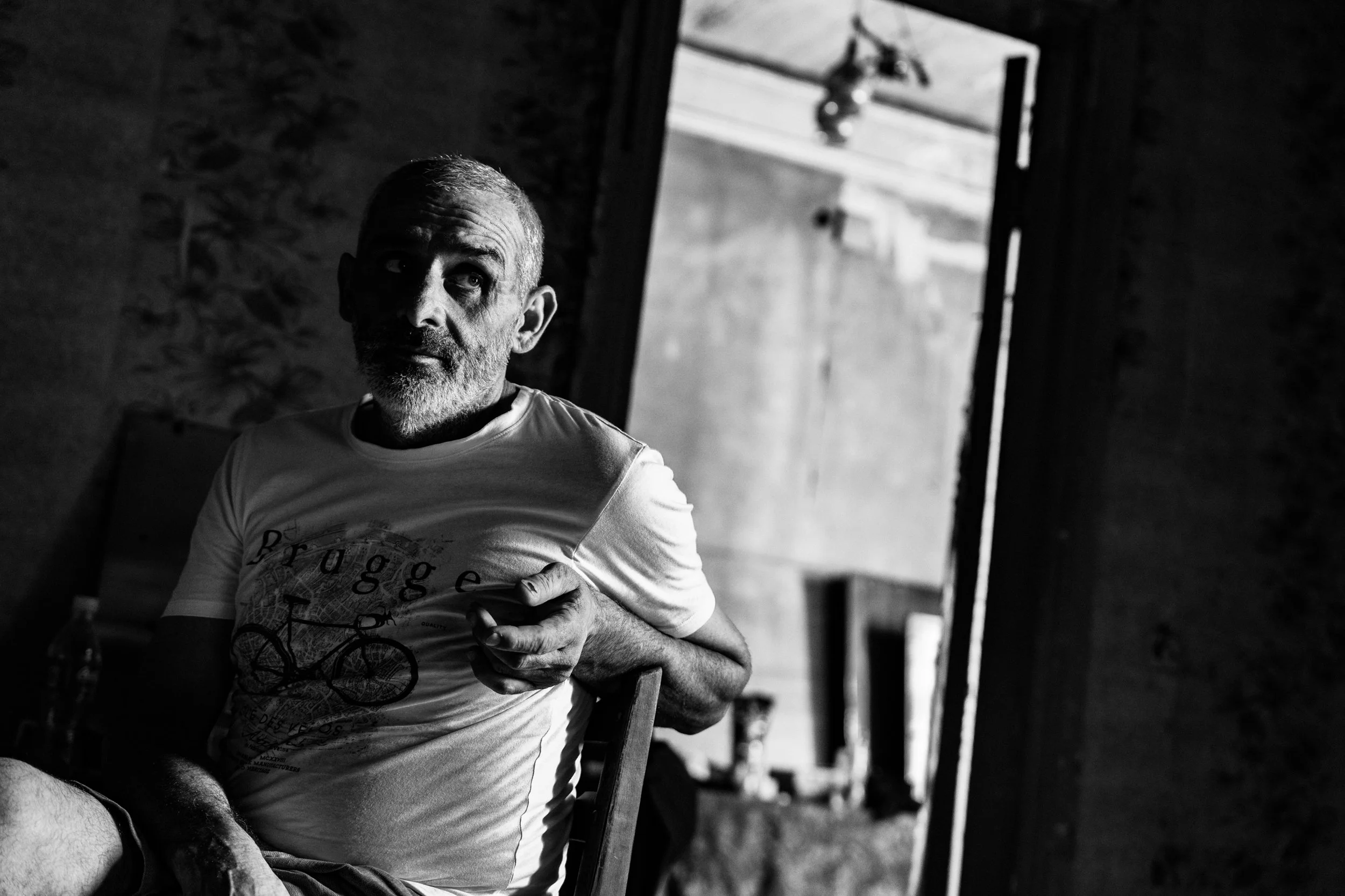
Murtaz does not speak of the war as something that ended.
In War in Abkhazia (1992–1993), he fought for a year against Russian-backed forces, moving through forests and burned-out towns where frontlines shifted without warning. He was young then, carrying a rifle and the certainty that history was happening around him. What he remembers most is not the fighting itself, but the waiting. The long stretches of silence before everything broke open. The smell of damp earth. The sound of boots in the dark. The faces that disappeared overnight.
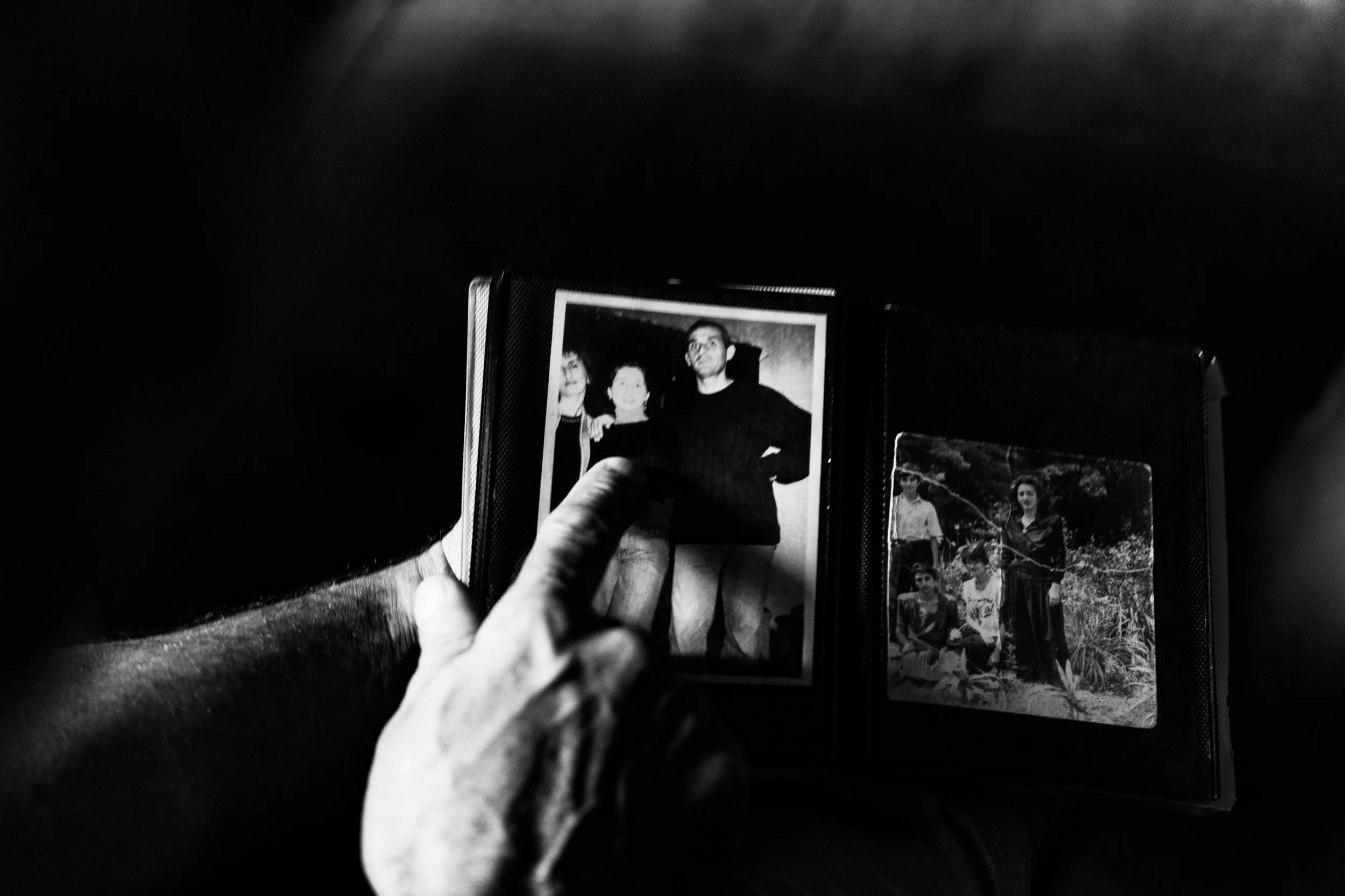
When the war ended, there was no return to normal life. No clear line between past and present. The uniform came off, but the war did not leave him. It followed him into the years that came after, reshaping everything into a quieter, more persistent struggle: survival.
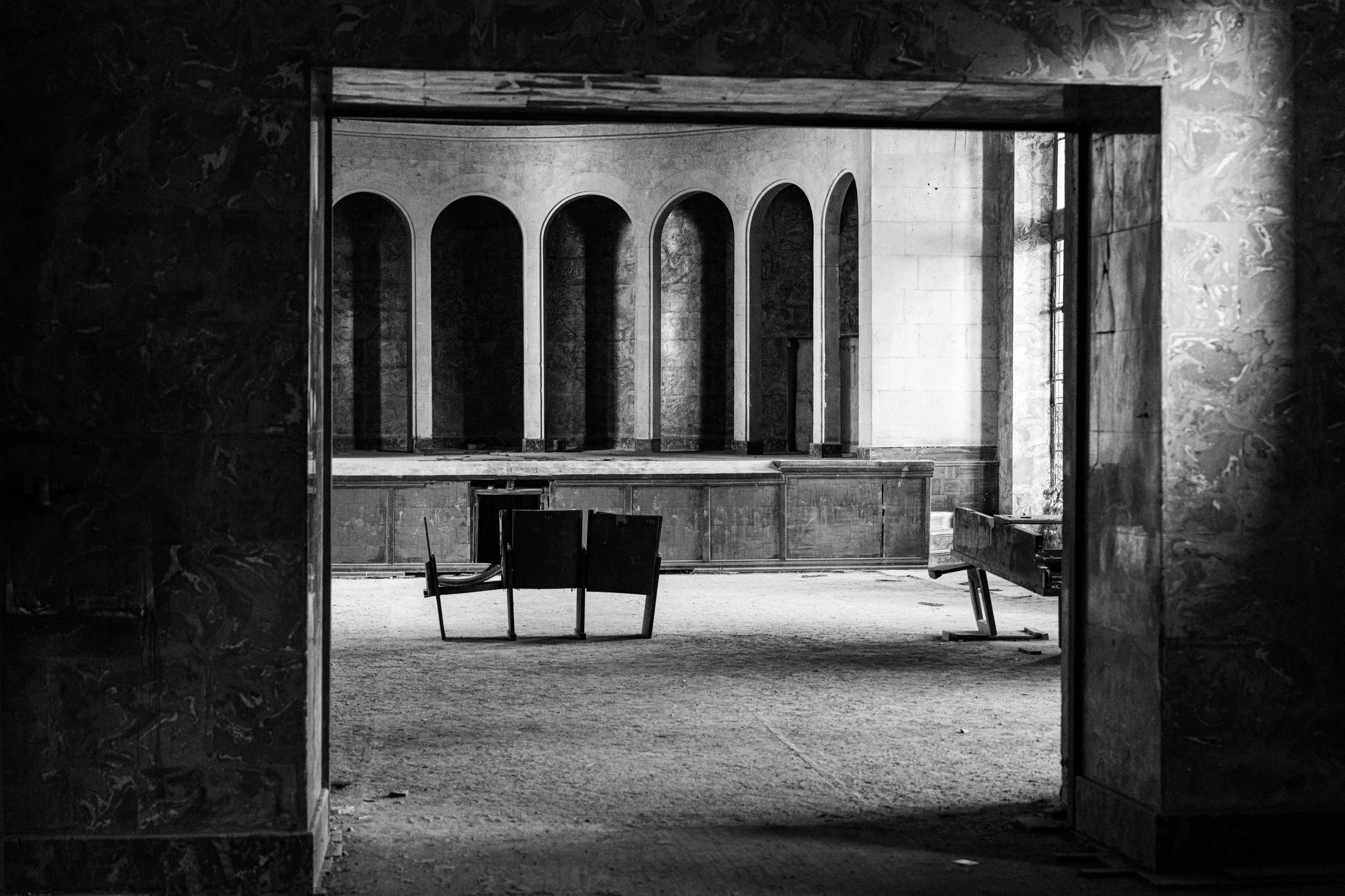
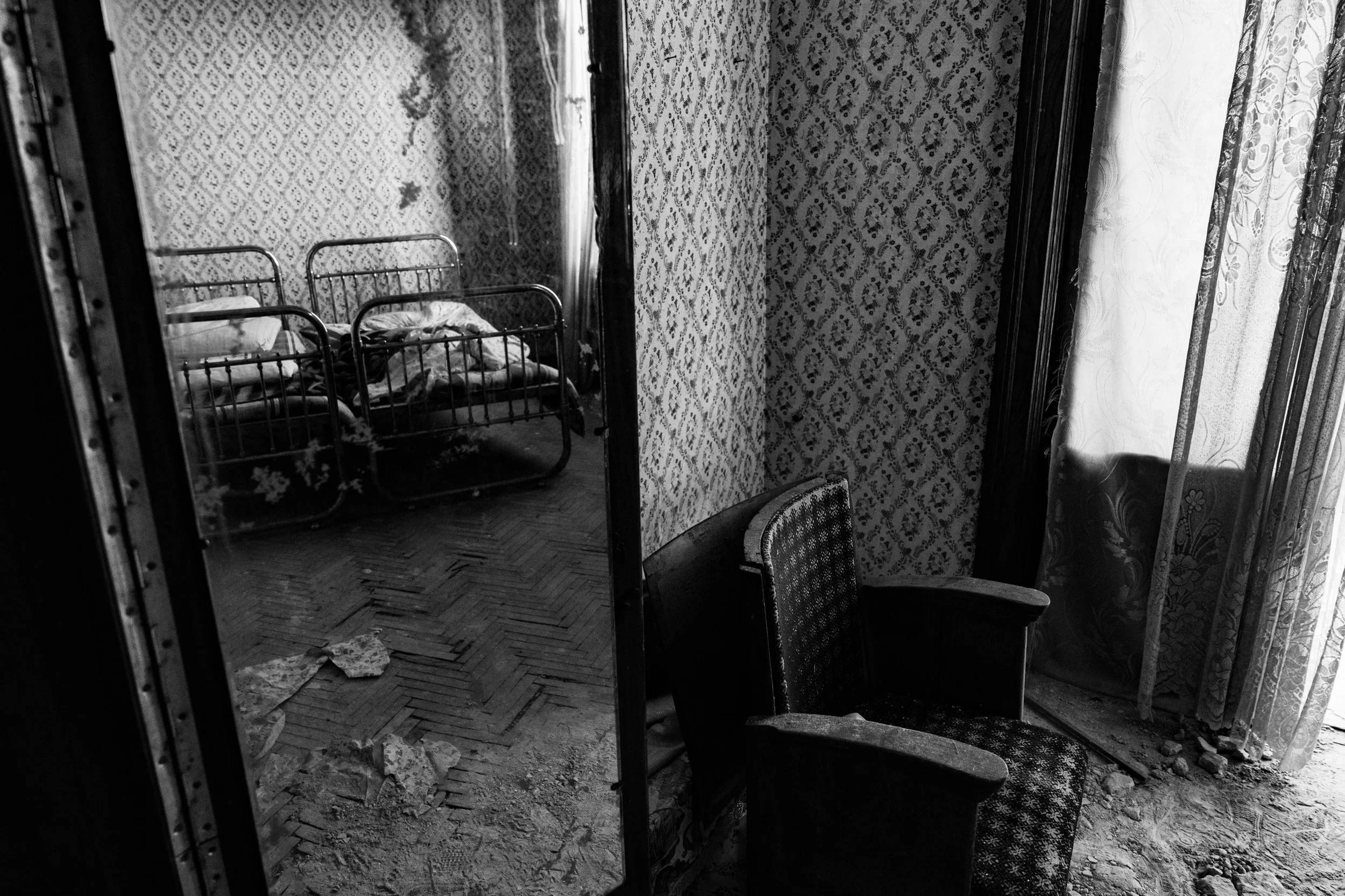
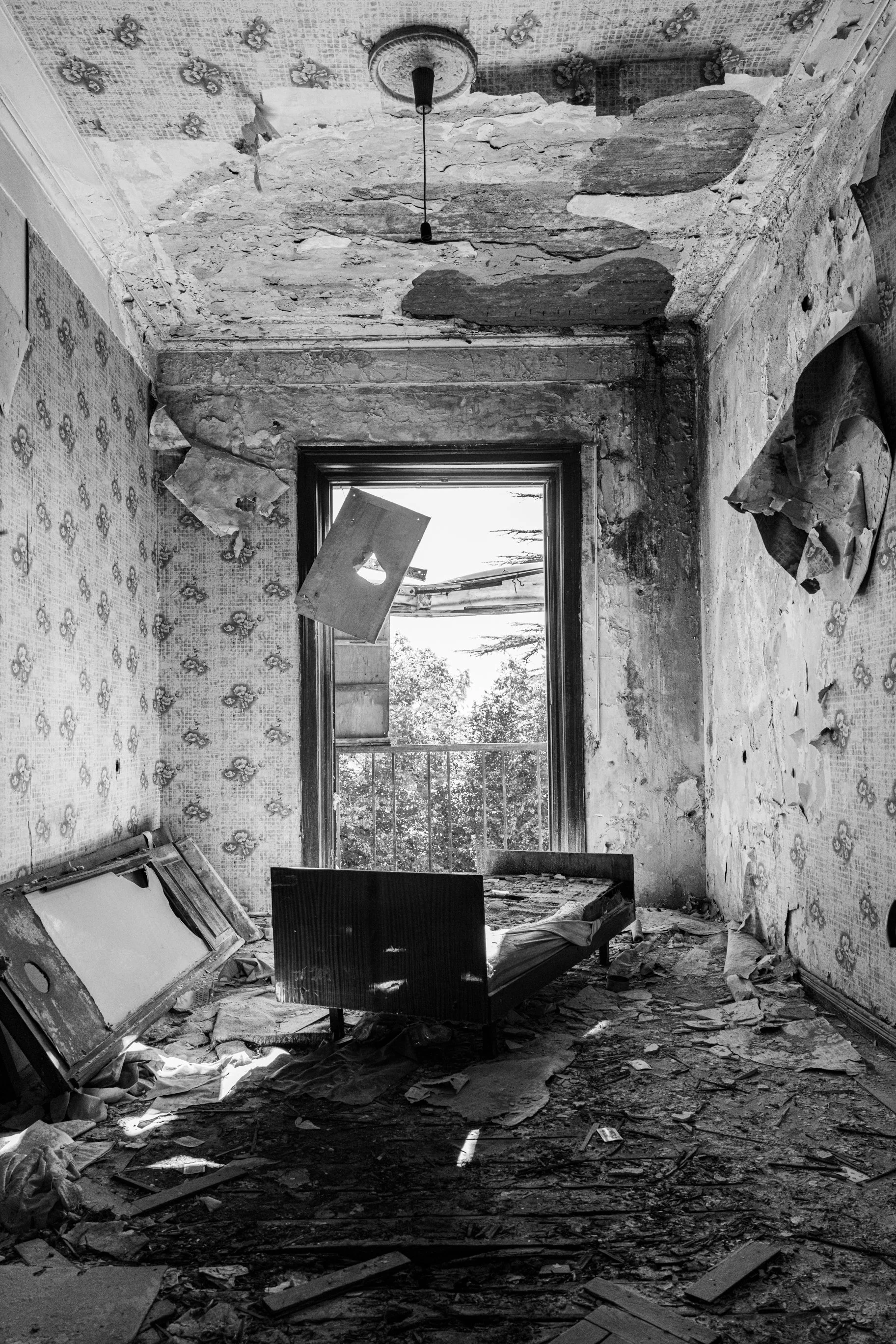
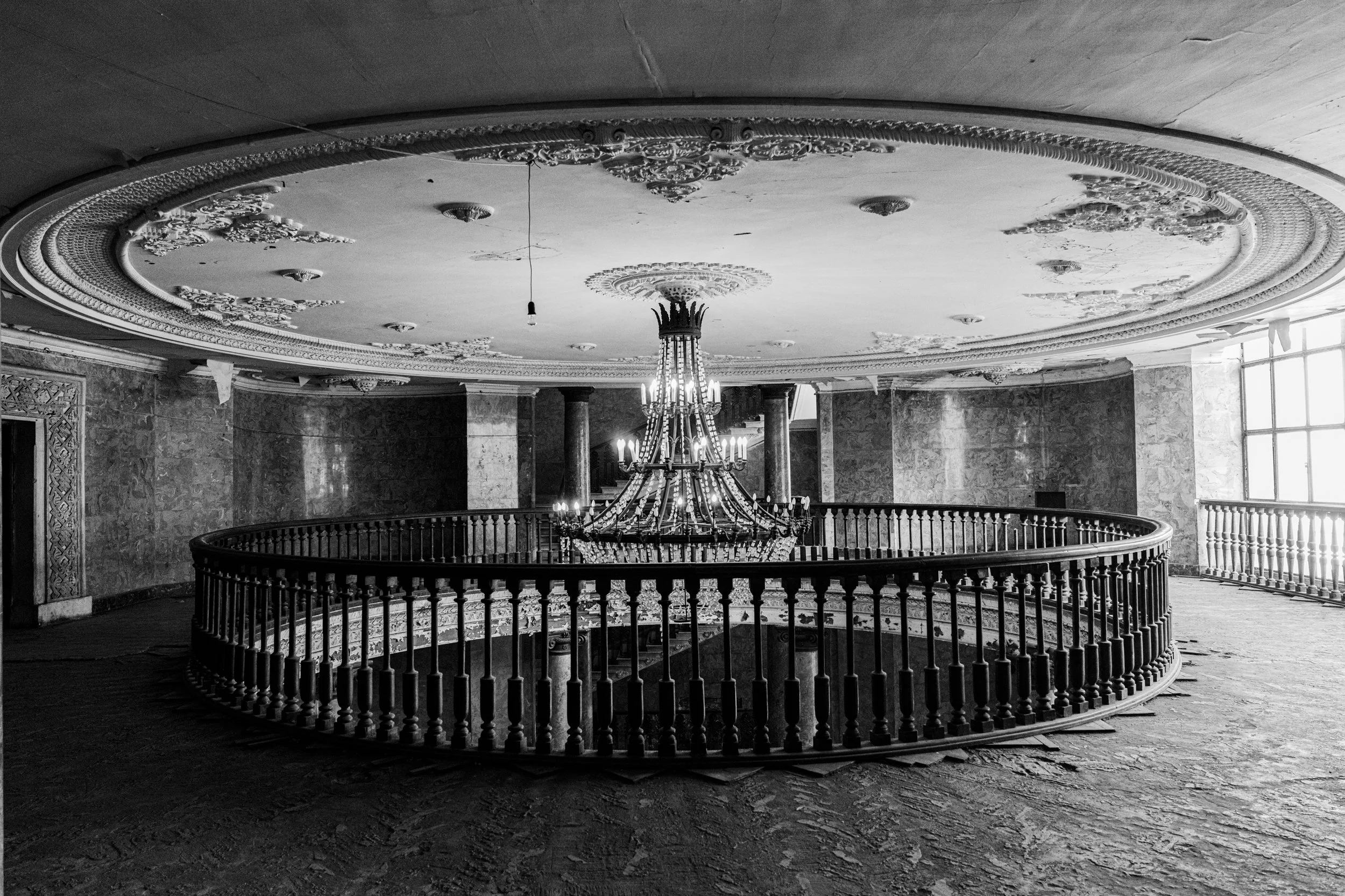
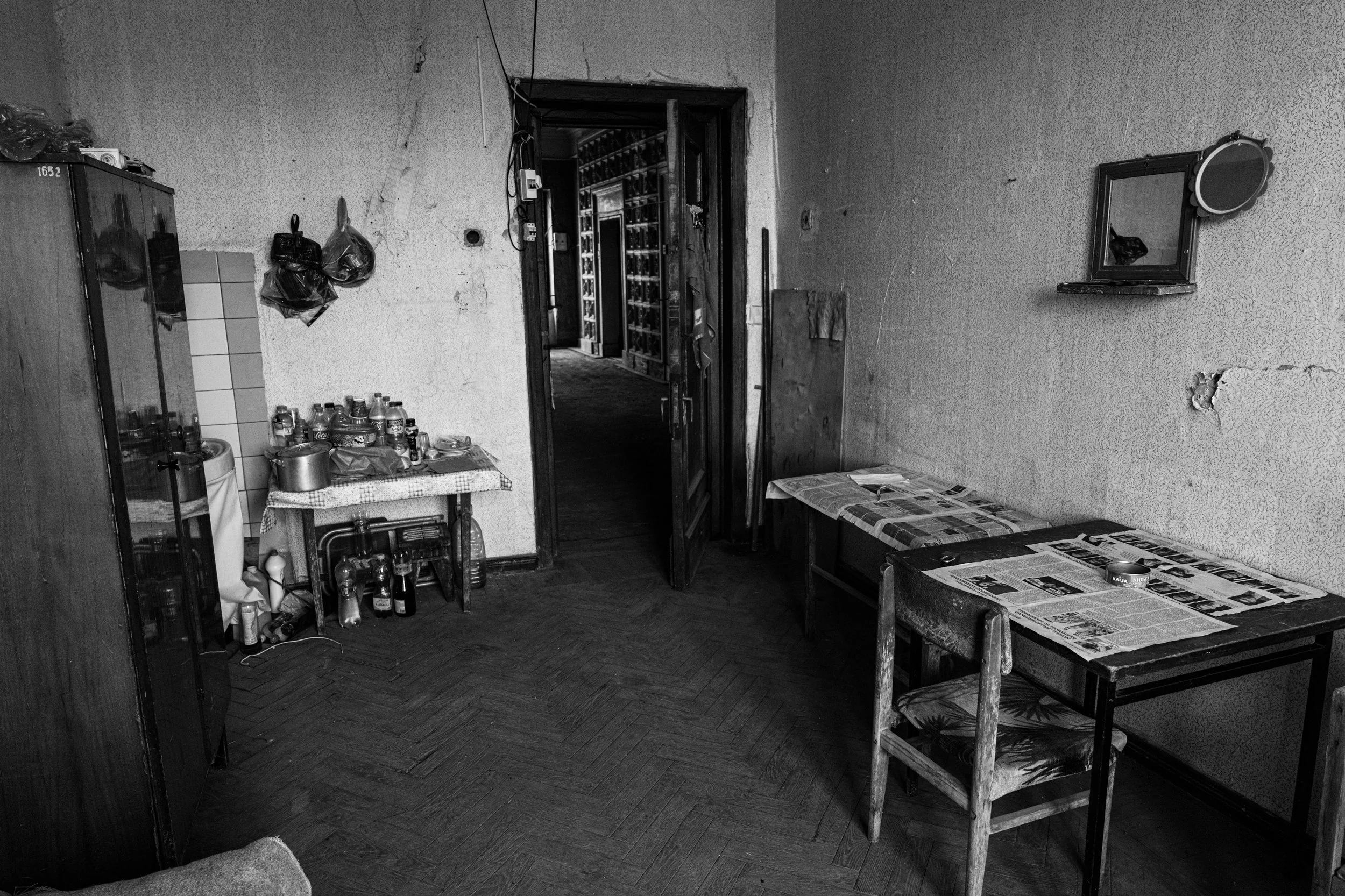
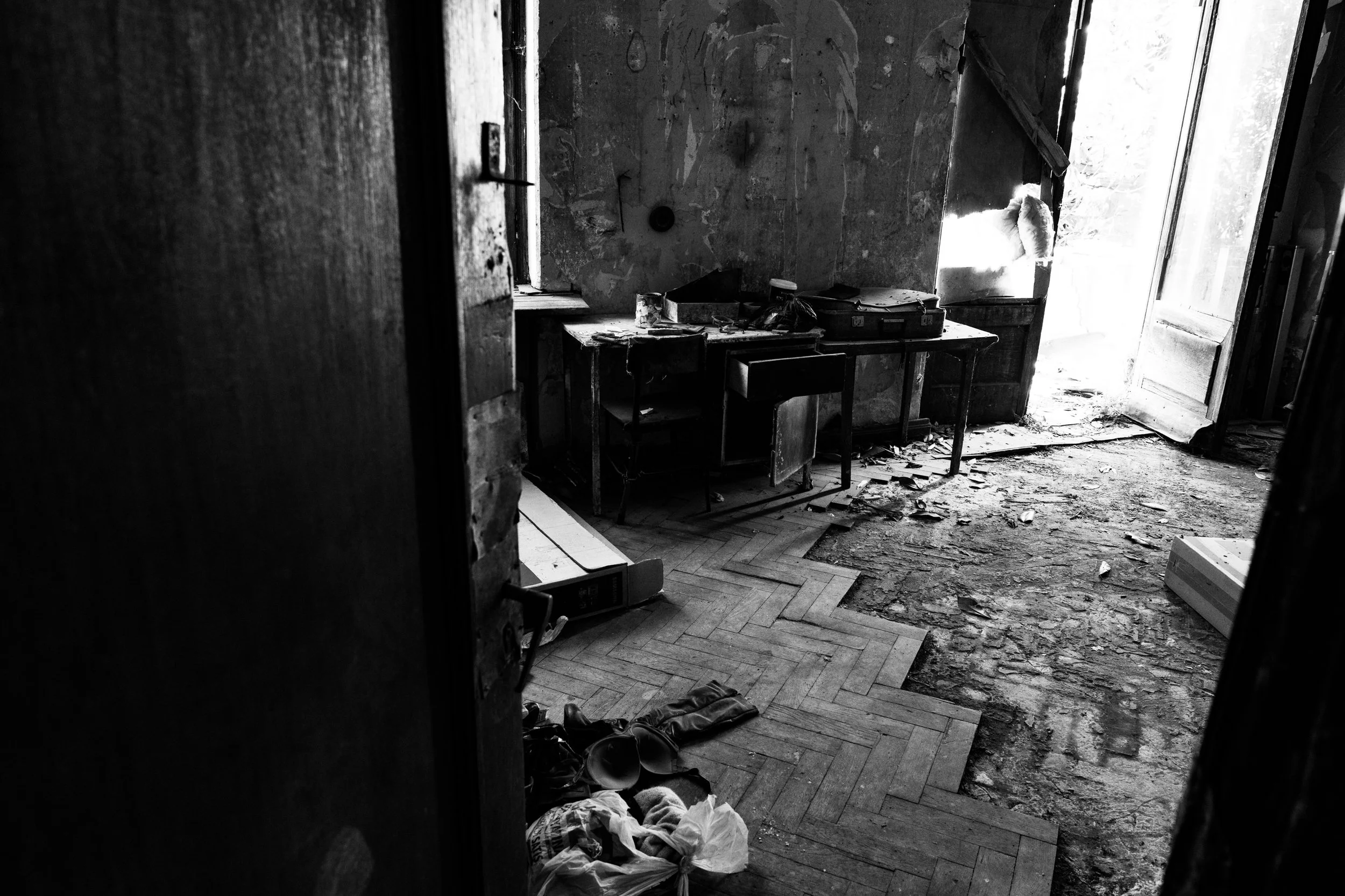
For the past thirty years, Murtaz has been living inside one of Joseph Stalin’s former sanatoria a place once built for rest, recovery, and privilege. The building still carries traces of that past: crumbling columns, fading mosaics, corridors that echo with a different kind of silence. But what was once reserved for the elite has become an improvised refuge for those left behind by history.
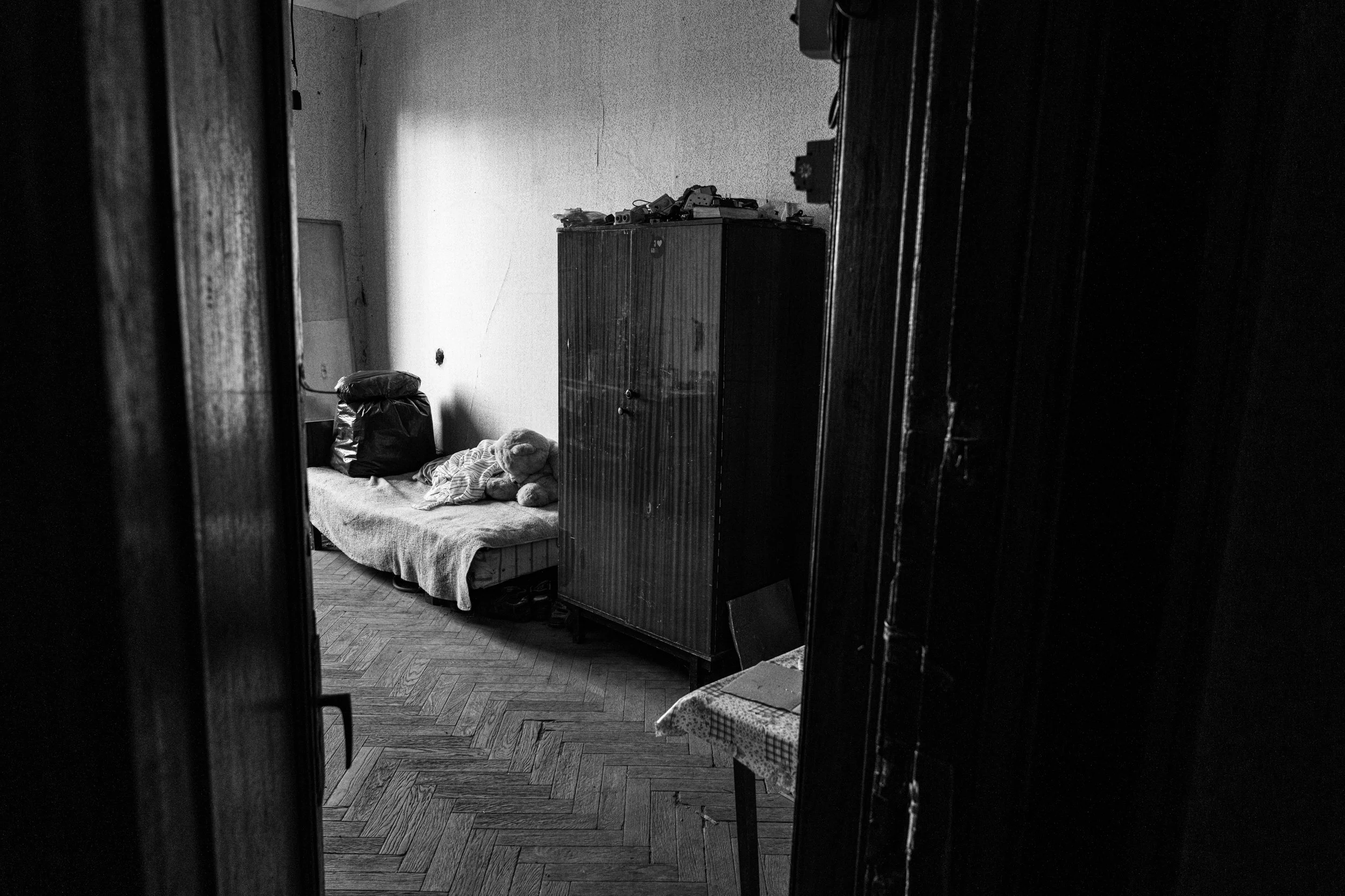
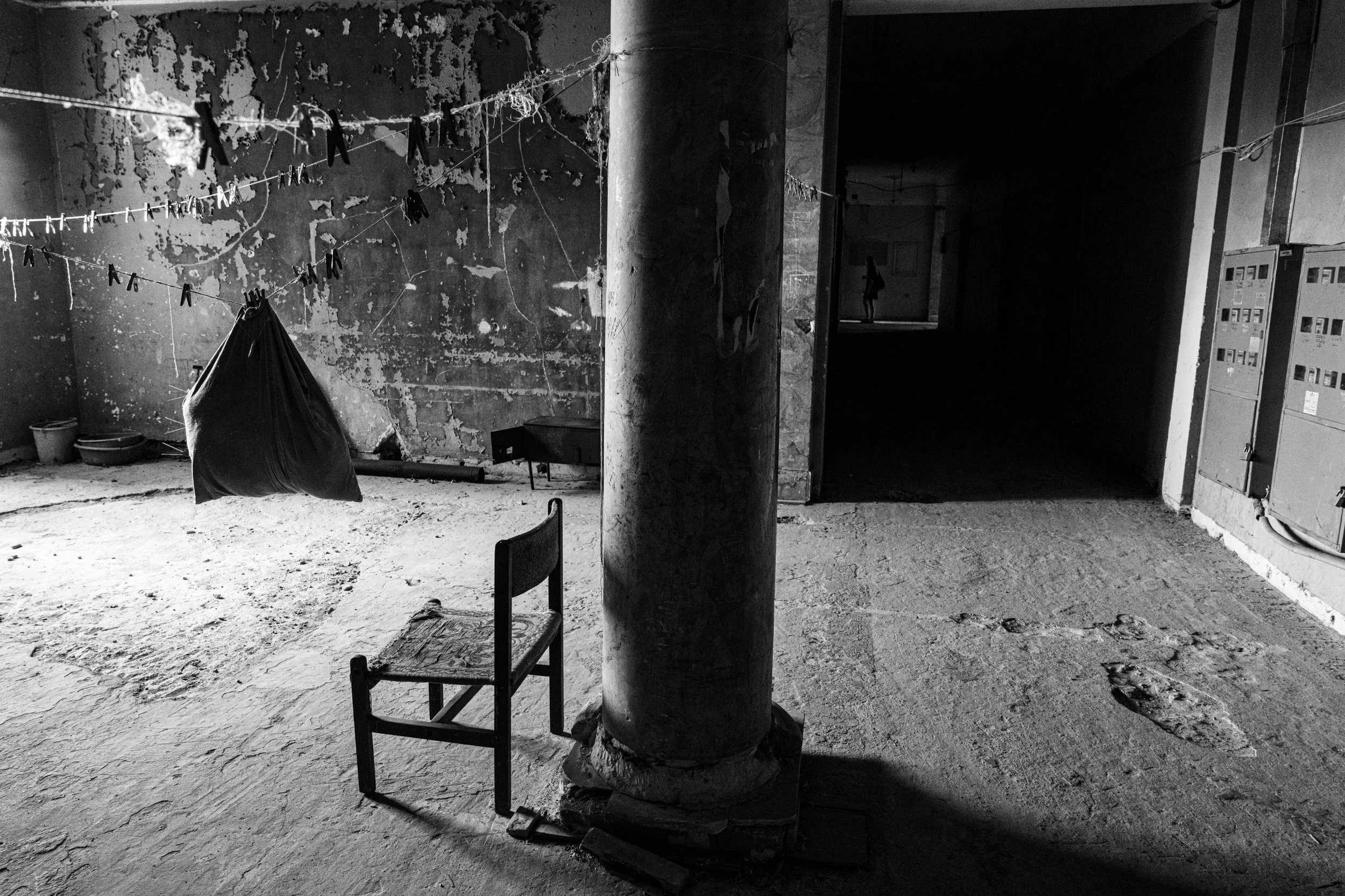
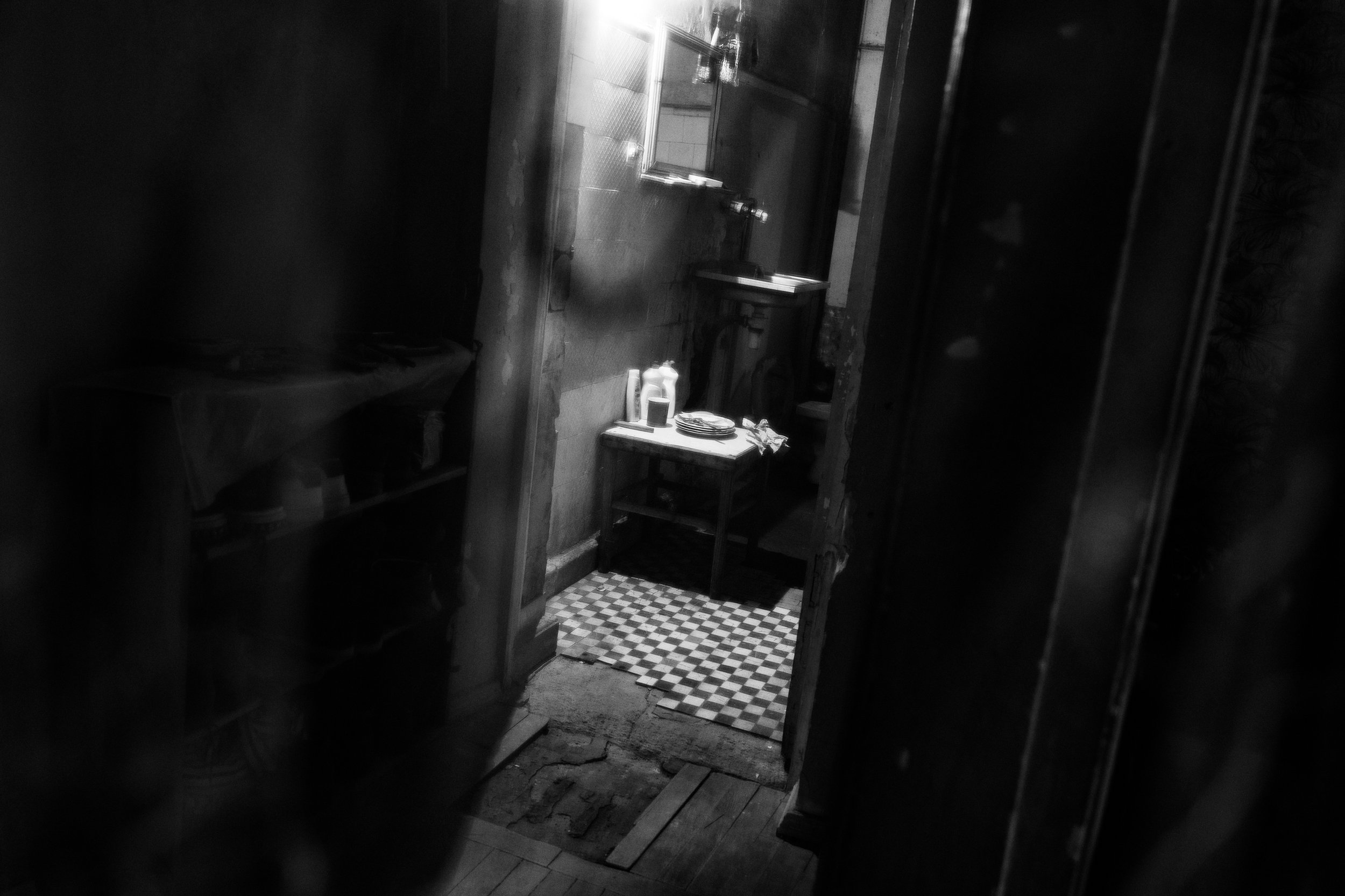
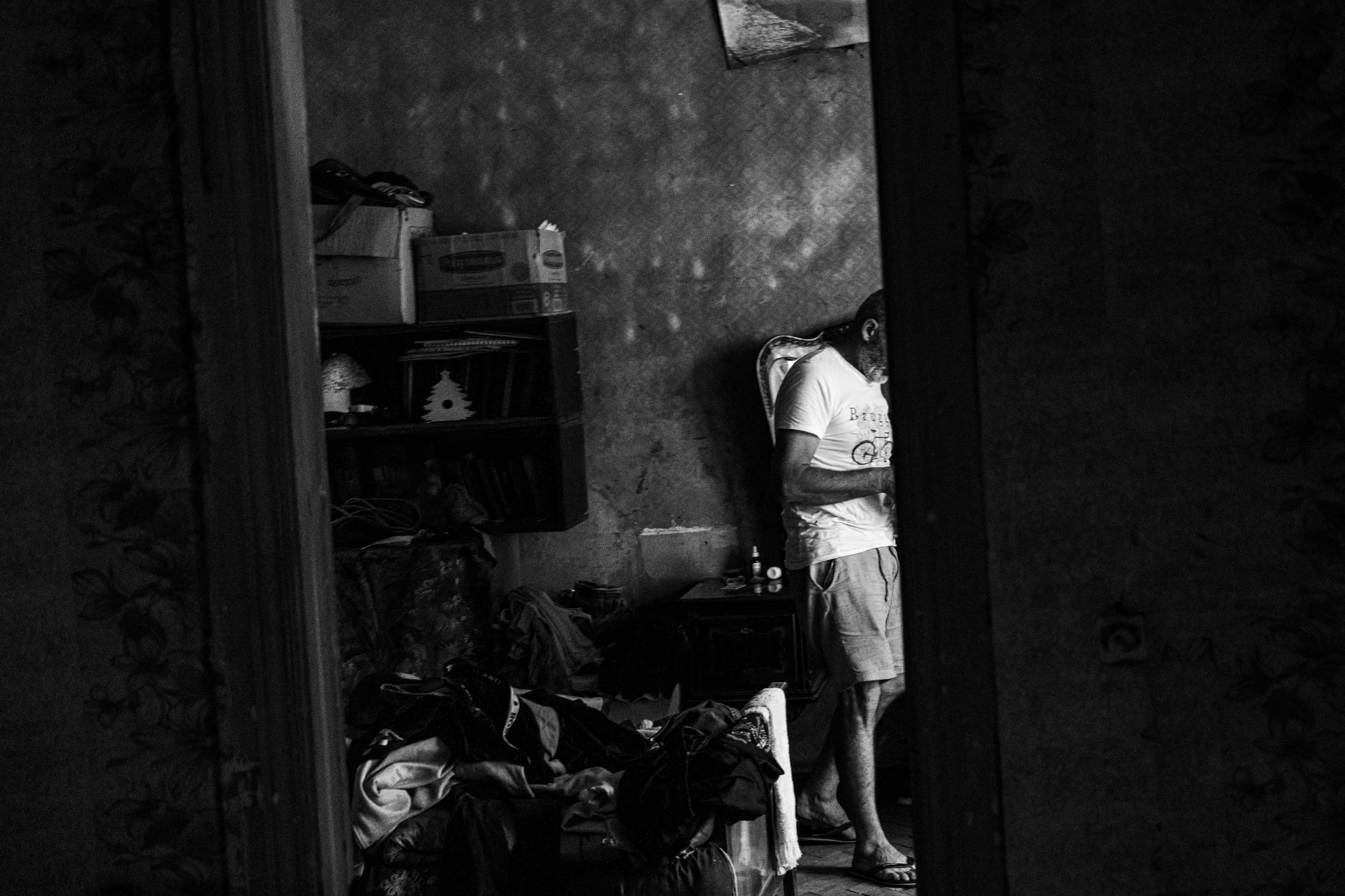
Rooms meant for short stays have turned into permanent homes. Walls are patched, windows sealed against winter, lives compressed into spaces never meant to hold them. Here, time feels suspended. The past is not preserved it lingers, unsettled.
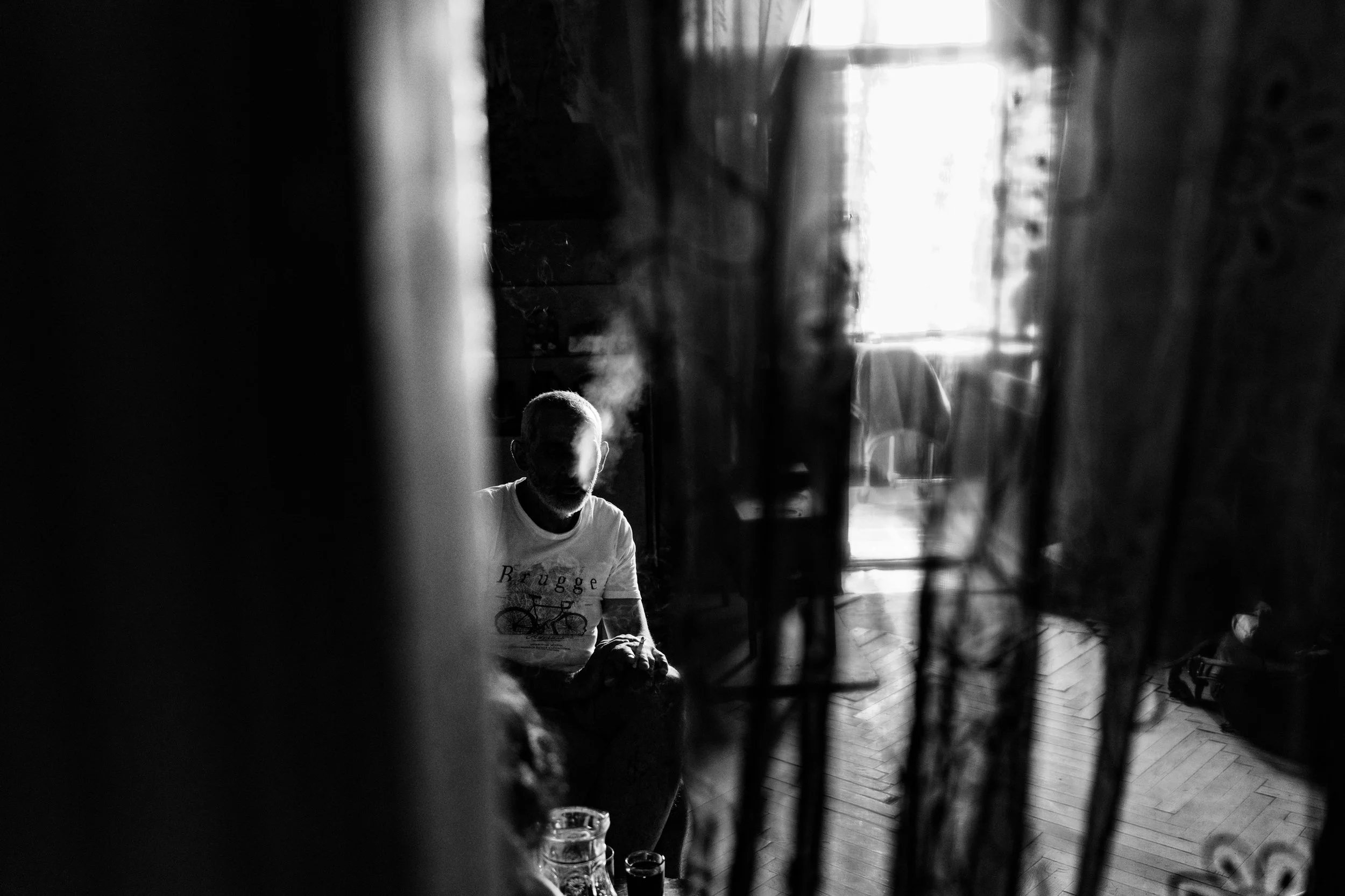
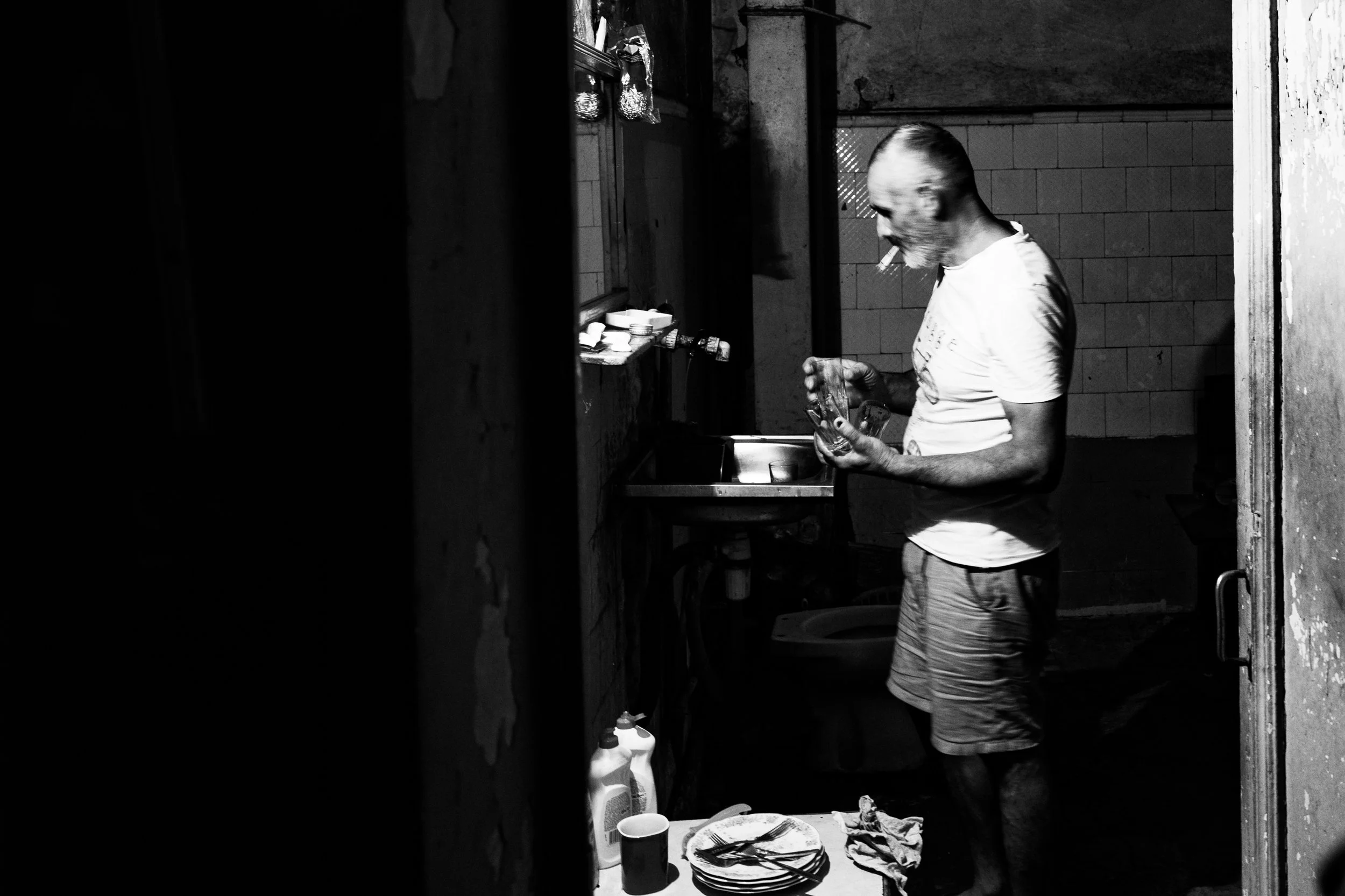
Murtaz moves through these halls with the familiarity of someone who has outlived several versions of the same place. He cooks, repairs, waits. Days pass quietly, marked by small routines. But beneath that stillness is something unresolved a tension that never fully disappears.
His story is not only about the war he fought, but about everything that followed. About what it means to carry conflict long after the guns fall silent. About how places, like people, absorb what happens within them.